01
Portfolio with context
Show finished pieces, project groups and selected work with enough detail for people to understand what they are looking at.
Websites for creative people
A clear place to show your work, explain what you offer and give people a simple way to commission, book or contact you.
Creative work does not naturally fit one tidy label. Your site can bring illustration, characters, puppets, props, photography, writing, workshops and shop links together without making it look like seven unrelated businesses.
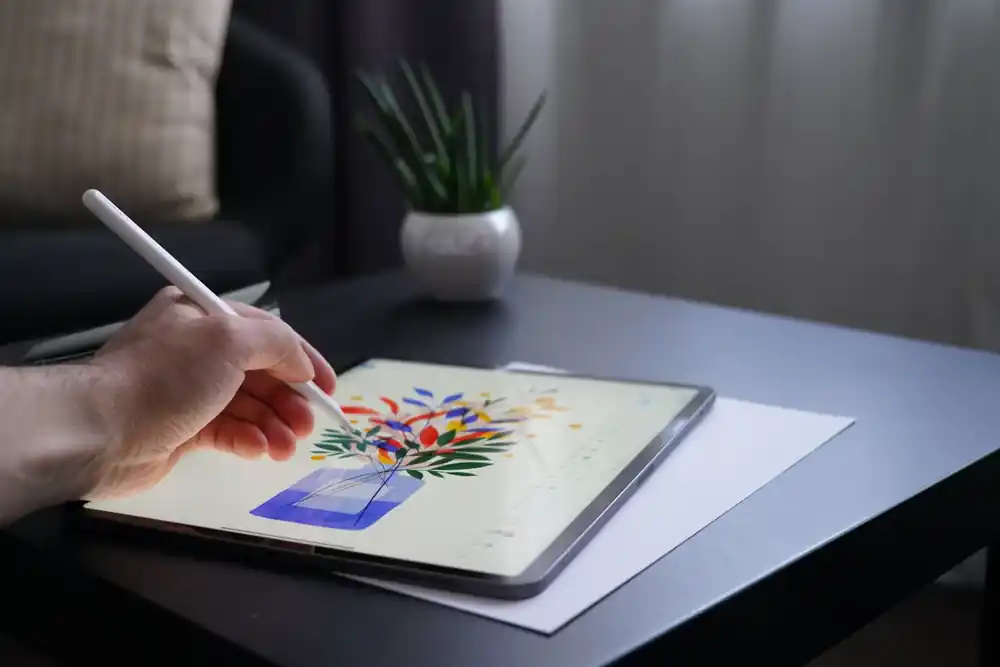
What the site needs to do
A creative website does not need to be shouty or dramatic. It needs to present the work clearly, answer the obvious questions and help the right person take the next step.
01
Show finished pieces, project groups and selected work with enough detail for people to understand what they are looking at.
02
Explain what people can hire you for, who the work is for and how an enquiry or commission starts.
03
Connect Etsy, Payhip, ticket pages, exhibitions, workshops, books, social profiles or other places where the work already lives.
Work that crosses categories

You might illustrate books, design characters, build puppets, make props and create maps. That can still belong together. The website structure gives each part enough space while showing the connection between them.
It also gives clients a clearer picture of what you can do. Someone arriving for an illustration may discover that you can build the character too. That is rather more useful than making them solve the puzzle across six social profiles.
Organised galleries for editorial work, books, characters, concept art and personal projects.
Project pages that show the finished piece, the process and the skills behind physical work.
A place for connected worlds, publications, short films, maps and work that develops over time.
Clear links to buying, booking, commissioning, exhibitions, workshops and current projects.
Starting with what you have
A lot of creative people have strong work scattered across folders, social accounts, old websites and files called things like final-final-actually-final. That is perfectly normal and understandable.
We can sort the work into a sensible structure, decide what deserves its own page and work out what is still missing. Rough notes are fine. So are half-finished lists and messy folders.
Build the first version around the pieces that best show what you want more of.
Turn scattered images into clear sections rather than one endless gallery.
Add practical information about commissions, collaborations, licensing or bookings.
New projects and disciplines can be added later without rebuilding the whole site.
Starting prices
Every project is different, but the starting costs are straightforward. You will receive a clear price before work begins, with no hidden extras.
Focused landing page
One mobile-friendly page for a portfolio introduction, new project, event, commission offer or creative service.
Small creative website
A clear multi-page site for your portfolio, about information, commissions, projects, shop links and enquiries.
Larger bespoke website
A more substantial site with several portfolios, detailed project pages, custom layouts or more involved technical work.
New projects, images and event details can be added later. Ongoing minor updates start from £15 a month.
How it works
You will know what I need, what I am doing and what happens next.

You show me what you make, who it is for and what you want the website to help you do.
I map the pages, portfolio groups, price and the material I need from you.
You see the website while it is being developed and can comment before anything goes live.
The domain is connected, the main checks are completed and the finished website becomes yours.
Who is behind it

I am Andrew Lambert, founder of ADHDaptive. Before setting up the business, I spent nearly 30 years working in IT, systems and service delivery.
In my coaching work, I work with many illustrators, artists, makers and other creative people. I understand how quickly strong work can become buried beneath scattered folders, unfinished ideas and the pressure to present everything perfectly.
I have also supported my daughter with planning and building her own creative website, bringing several different kinds of work together in a way that makes sense to potential clients while keeping it recognisably theirs.
Creative work often crosses categories. A person can be an illustrator, character designer, puppet maker and storyteller without needing four separate websites or a grand speech explaining why it all belongs together.
My job is to build the structure around the work, deal with the technical pieces and give you a site you are happy to send to clients, collaborators and anyone who asks what you do.
For more about how I build websites, what is included and how the service works, visit the ADHDaptive.web home page .
Common questions
It can show illustration, character design, puppets, props, photography, animation, books, maps, writing, workshops, commissions and other connected work. The structure can separate different disciplines without making them feel unrelated.
Yes. Clear portfolio sections and project pages can bring several kinds of work together. You do not need a separate website for every medium or service.
Yes. The website can direct visitors to an existing shop, product page, ticket site or booking service. It does not need to replace tools that already work for you.
No. Rough notes, portfolio folders, social profiles and old pages are all workable starting points. I can help sort the material and identify what is still needed.
Yes. New work, projects, events and shop links can be added later. A small monthly update option is available if you would rather send the material across.
A focused landing page starts from £250, a straightforward small website starts from £500 and larger bespoke sites start from £2,000. You will receive a clear price before work begins.
Start with the work you already have
A portfolio link, social profile, shop, folder of images or rough list of ideas is enough to begin. It does not need to be organised first. That is part of the job.